Introduction
In today’s digital economy, data moves across networks at incredible speed. From banking and e-commerce to healthcare and government records, platforms rely on secure databases to store and verify information. Traditionally, these systems are managed by centralized authorities such as banks or institutions. While effective, this model introduces risks: security breaches, manipulation, lack of transparency, and dependence on intermediaries.
What is Blockchain Technology? It emerged as a decentralized solution to these challenges. Instead of relying on one authority, blockchain distributes information across a network of computers, allowing participants to collectively verify and store transactions. This structure increases transparency and security while reducing the need for third-party verification.
- Decentralization reduces reliance on intermediaries
- Transparency builds trust among participants
- Security is strengthened through distributed verification
- Applications extend beyond finance into healthcare, supply chain, and digital identity
By exploring Blockchain Training in 2026, as well as structured Blockchain Career Course 2026 programs, readers can see how this technology is reshaping industries. With a clear Blockchain Career Roadmap, professionals can prepare for opportunities across finance, healthcare, logistics, and beyond.
Understanding Blockchain Technology
Blockchain technology explained simply: it is best described as a distributed digital ledger. Unlike traditional systems where a central authority maintains records, blockchain allows multiple participants to hold synchronized copies of the same ledger.
Transactions are grouped into blocks. Each block contains transaction records, a timestamp, and a cryptographic hash linking it to the previous block. This chain of blocks creates a secure, tamper-resistant structure.
- Blocks include: transaction data, timestamp, and hash
- Linking ensures continuity and security
- Altering one block would require changing all subsequent blocks, which is computationally impractical
This design makes blockchain a reliable method of storing digital information. By exploring Blockchain Training in 2026 and enrolling in a Blockchain Career Course 2026, readers gain a clearer picture of how this technology underpins modern digital systems. Following a structured Blockchain Career Roadmap ensures professionals are prepared for opportunities across industries.
How Blockchain Works
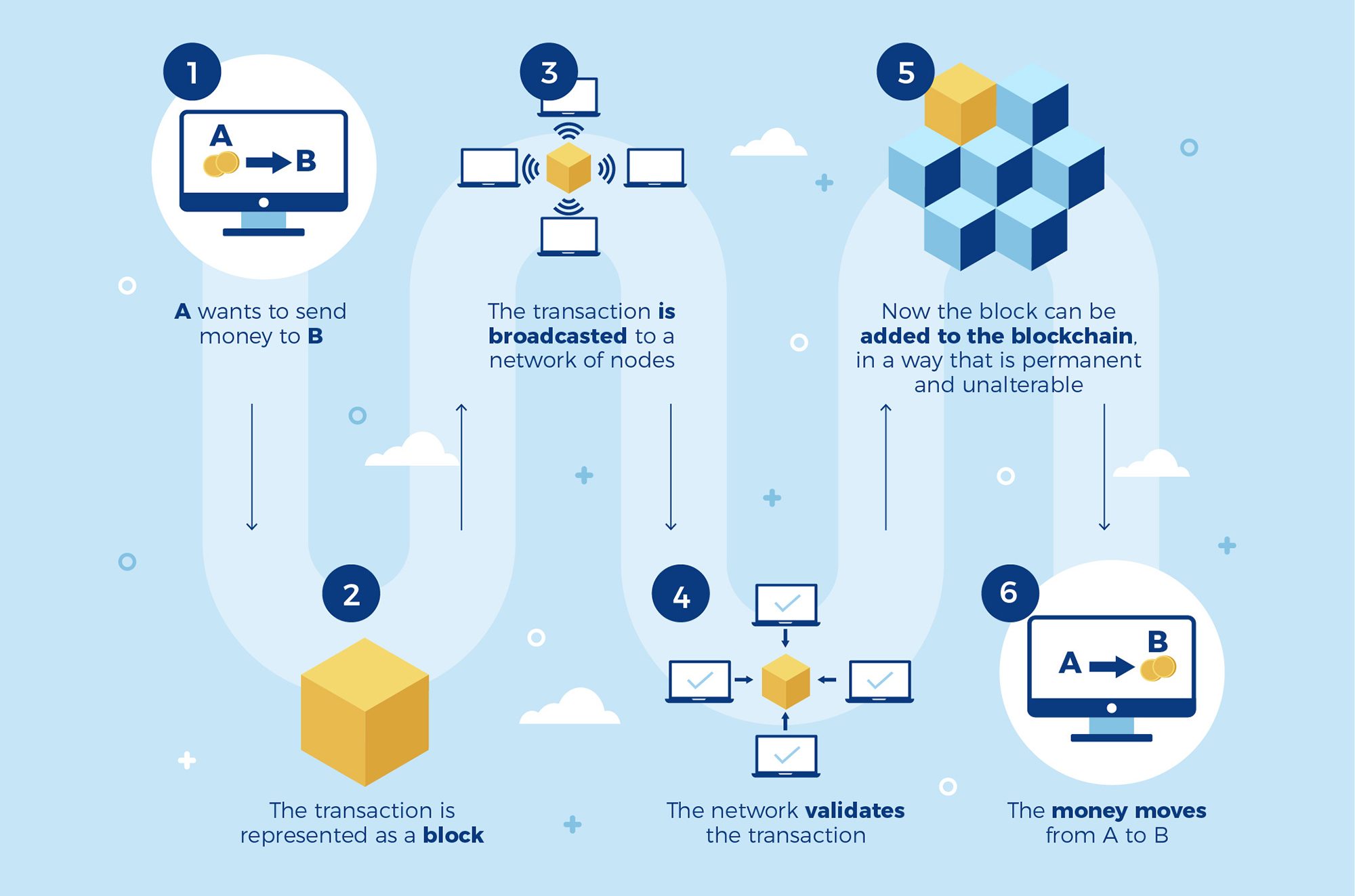
The operation of blockchain follows a clear process. When a user initiates a transaction, it is broadcast to a network of computers (nodes). These nodes verify the transaction according to predefined rules.
Once validated, the transaction is grouped with others into a block. Before the block is added, the network must reach consensus — an agreement that the transactions are legitimate. Consensus mechanisms vary, but they all ensure collective validation.
After consensus, the block is added to the chain and linked to previous blocks through cryptographic hashing. The updated ledger is then distributed across all nodes, ensuring every participant has the same record.
Process flow:
- Transaction broadcast
- Node verification
- Consensus agreement
- Block addition and replication
Because the ledger is replicated across many nodes, blockchain becomes highly resilient, resistant to manipulation, and secure against system failures. This is why What is Blockchain Technology in practice shows its strength as a decentralized, tamper-resistant system.
By combining this process with structured Blockchain Training in 2026, organizations can automate agreements securely and prepare professionals for future opportunities. Enrolling in a Blockchain Career Course 2026 and following a clear Blockchain Career Roadmap ensures learners understand how blockchain applies across industries — from finance to supply chain and healthcare.
Key Characteristics of Blockchain
Blockchain technology explained through its defining traits shows why it stands apart from traditional data systems. These features make it especially valuable in environments where trust, transparency, and security are critical.
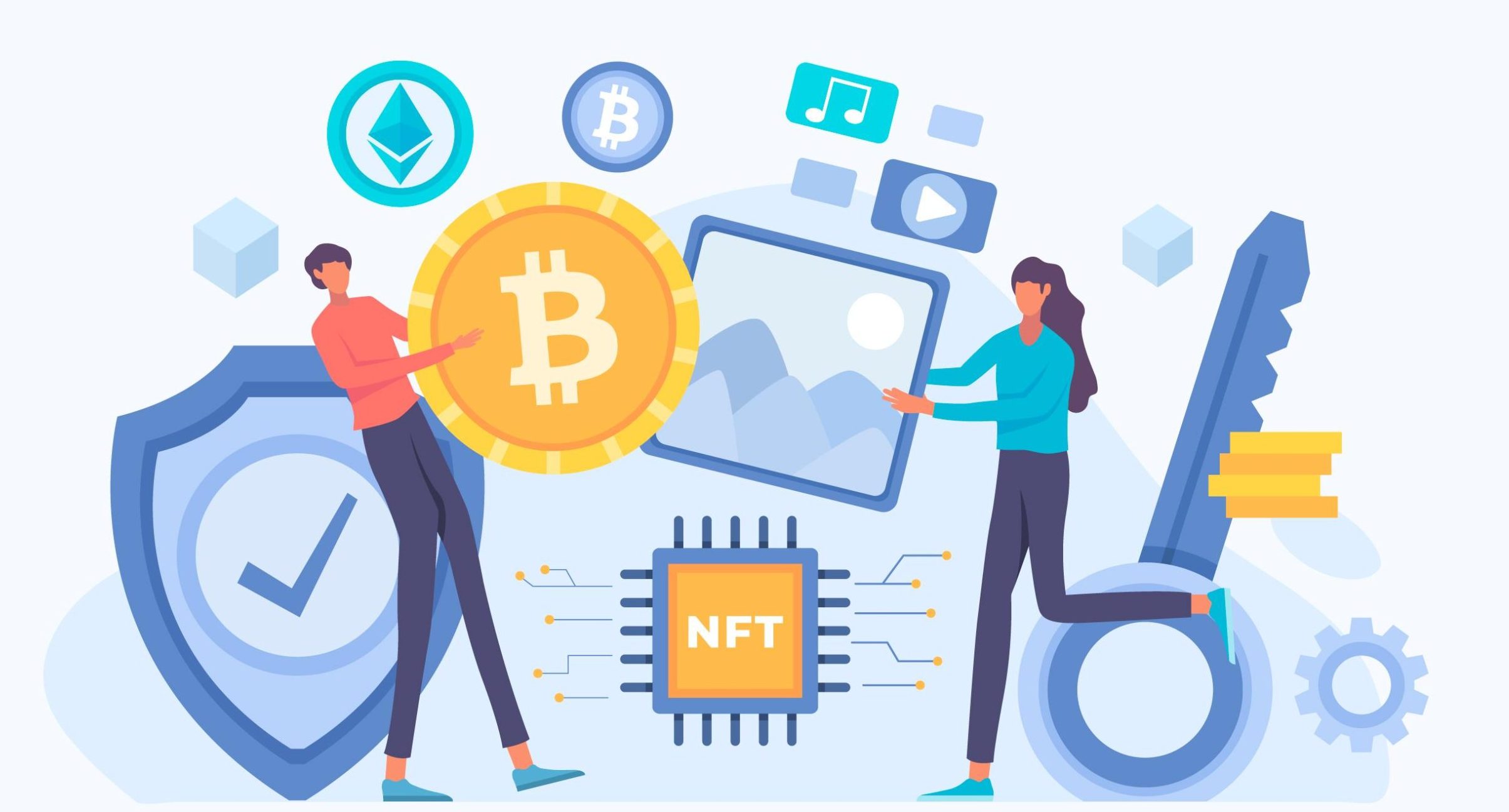
- Decentralization: Unlike centralized databases, blockchain distributes control across multiple participants.
- Transparency: Many networks allow participants to view and verify transaction records, ensuring openness.
- Immutability: Once added, blocks cannot easily be altered or deleted, preserving data integrity.
- Security: Advanced cryptographic techniques protect transaction data and verify identities.
Together, these characteristics create a system that is resilient, trustworthy, and resistant to manipulation. They also form the foundation for innovations such as blockchain and smart contracts, which extend blockchain’s utility beyond record-keeping into automation.
Types of Blockchain Networks
Blockchain networks vary in structure depending on access and governance. Each type serves different organizational needs.
Public blockchains: Open to anyone, operating in a fully decentralized environment. They are most commonly associated with blockchain in cryptocurrency applications like Bitcoin and Ethereum.
Private blockchains: Restricted to authorized participants and controlled by a single organization. Businesses often use them to streamline internal processes while safeguarding sensitive data.
Consortium blockchains are governed by multiple organizations, making them ideal for industries where collaboration and shared information are essential.
Hybrid blockchains blend public and private models, allowing some data to remain confidential while other information is publicly verifiable.
Consensus Mechanisms in Blockchain
Because blockchain lacks a central authority, consensus mechanisms ensure that all nodes agree on the validity of transactions. These processes maintain synchronization across the network and are critical to the reliability of public and private blockchain systems.
- Proof of Work (PoW): Miners compete to solve complex mathematical problems to validate transactions. This method, used by Bitcoin, is secure but energy-intensive.
- Proof of Stake (PoS): Validators are chosen based on the number of tokens they hold and stake as collateral, reducing computational demands..
Consensus mechanisms are the backbone of blockchain’s reliability, ensuring every participant shares the same version of the ledger. They also play a vital role in blockchain in cryptocurrency, where trustless validation is essential.
Smart Contracts and Automation
Blockchain and smart contracts together extend blockchain’s utility beyond record-keeping. Smart contracts are self-executing agreements coded directly onto the blockchain. They automatically perform actions when predefined conditions are met, eliminating the need for intermediaries.
For example, a smart contract can release payment once goods are delivered or transfer ownership of a digital asset once payment is confirmed. This automation reduces administrative costs and increases efficiency.
Platforms like Ethereum have popularized blockchain and smart contracts by enabling developers to build decentralized applications (dApps). These applications support diverse services, including:
- Financial transactions
- Supply chain management
- Digital marketplaces
- Identity verification systems
Smart contracts demonstrate how Blockchain Training prepares professionals to leverage automation for efficiency. By enrolling in a Blockchain Career Course 2026 and following a structured Blockchain Career Roadmap, learners gain the skills to design trustless systems that make digital platforms more secure and scalable.
Blockchain and Cryptocurrencies
Cryptocurrencies are among the earliest and most visible applications of blockchain. They operate on decentralized networks, allowing users to transfer value directly without relying on banks or intermediaries.
Bitcoin pioneered peer-to-peer digital currency by enabling transactions verified through a distributed network rather than a central bank. Later platforms such as Ethereum expanded blockchain’s role by introducing smart contracts and decentralized applications.
Although cryptocurrencies remain a major use case, blockchain has evolved far beyond digital payments, becoming a foundation for diverse digital systems.
Real-World Applications of Blockchain
Blockchain adoption is growing across industries thanks to its transparency, efficiency, and security.
Financial services benefit from faster cross-border payments and decentralized finance platforms that challenge traditional banking.
Supply chain management uses blockchain to track products from production to delivery, ensuring authenticity and reducing counterfeits.
Healthcare systems explore blockchain for secure patient records, leveraging tamper-resistant storage for sensitive data.
Digital identity and governance applications include online voting, intellectual property management, and secure data sharing.
These examples highlight blockchain’s versatility in solving real-world challenges, proving that its impact goes far beyond blockchain in cryptocurrency.
Advantages of Blockchain Technology
Blockchain technology explained through its benefits shows why it is attractive for organizations seeking secure digital solutions:
- Improved data security through cryptographic protection and decentralized storage
- Greater transparency and traceability of transactions
- Reduced reliance on intermediaries such as banks or clearinghouses
- Faster and more efficient transaction processing
- Increased resilience through distributed data storage
These benefits explain why industries worldwide are integrating blockchain into their digital transformation strategies.
Challenges and Limitations of Blockchain
Despite its strengths, blockchain faces hurdles that must be addressed for broader adoption.
- Scalability: Some networks process transactions more slowly than centralized systems.
- Energy consumption: Proof of Work models require significant computational resources.
- Regulatory uncertainty: Governments are still developing frameworks for blockchain and cryptocurrencies.
- Implementation complexity: Specialized expertise and infrastructure are often required, creating barriers for smaller organizations.
These challenges highlight the importance of ongoing innovation in consensus mechanisms and network design.
The Future of Blockchain Technology
Blockchain continues to evolve alongside artificial intelligence, cloud computing, and decentralized internet platforms. As digital ecosystems expand, secure and transparent data management will become increasingly vital.
Large technology companies such as IBM and Microsoft are investing heavily in blockchain research and enterprise solutions, signaling confidence in its long-term potential. Future innovations may include:
- More scalable blockchain networks
- Energy-efficient consensus mechanisms
- Wider adoption across industries
As these developments unfold, blockchain could become a foundational component of global digital infrastructure.
Why InfograinsTCS Stands Out in Blockchain Learning
Blockchain is no longer just a buzzword — it’s a career-defining skill. InfograinsTCS bridges the gap between theory and practice by offering structured programs that emphasize:
- Hands-on training: Smart contract development, distributed system design, and blockchain architecture.
- Industry relevance: Courses aligned with real-world applications in finance, supply chain, healthcare, and cybersecurity.
- Practical projects: Learners build solutions that mirror enterprise challenges, preparing them for professional environments.
- Comprehensive approach: Balancing conceptual understanding with applied skills to ensure learners can innovate confidently.
For students, developers, and professionals, InfograinsTCS provides a strong foundation to enter the blockchain ecosystem and thrive in modern technology careers.
Conclusion
Blockchain has moved far beyond its origins to become a transformative technology reshaping digital systems worldwide. Its core characteristics — decentralization, transparency, immutability, and security — make it a powerful solution for industries seeking trust and efficiency. From financial services and supply chains to healthcare and identity management, blockchain is driving innovation and redefining how organizations handle data.
At the same time, challenges such as scalability, energy consumption, and regulatory uncertainty remain. Yet ongoing research and enterprise investment signal that blockchain will continue to evolve, becoming a foundational element of global digital infrastructure.
For learners and professionals, this is the right moment to build expertise in blockchain. With demand for skilled talent rising, structured Blockchain Training in 2026 that blends theory with hands-on practice is essential. InfograinsTCS provides exactly that — equipping students, developers, and technology enthusiasts with the knowledge and practical skills needed to thrive in the blockchain ecosystem.
Blockchain is not just the future of digital systems; it is the present. By mastering it today through a Blockchain Career Course 2026 and following a clear Blockchain Career Roadmap, you position yourself at the forefront of tomorrow’s technological landscape.